
Are you seeking feedback? Or are you seeking comfort?

There was a point in my career when I thought I was the best leader. In all the ways.
Then I got feedback that told me not everyone shared that perspective.
It challenged my identity and the way I saw myself. Instead of accepting it as the gift it was — someone willing to open my eyes to the ways I was getting in my own way — I got defensive. I started shopping. Shopping for other perspectives. Shopping for agreement that would counteract what I'd just heard.
You know how it goes.
A colleague says, "That doesn't sound like you." A friend says, "I completely disagree."
Relief washes over you. And just like that, the feedback loses its power and with it, your opportunity to correct a blind spot, close a gap, or grow beyond where you are.
I had to learn the hard way that I wasn't seeking growth. I was seeking comfort.
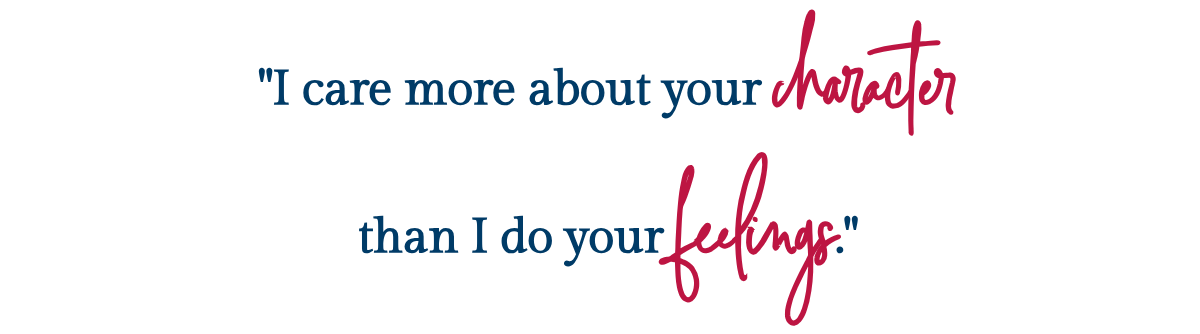
It took my dad looking me in the eye and telling me he "cared more about my character than my feelings" to wake me up. That one sentence changed everything. It gave me permission to stop protecting my ego and start doing the real work.
Here's what I've seen in my own life and in coaching others.
When we shop for agreement after receiving hard feedback, we don't make the issue go away. We just delay it. And it almost always resurfaces later, louder and messier, at a much higher cost. What could have been a small adjustment becomes a recurring pattern. What could have been a growth moment becomes a reputation issue.
There's another risk most people don't consider. Feedback providers notice when their input gets neutralized through agreement hunting and they stop investing in your growth. More than once, I've watched talented people quietly lose the support of the very sponsors trying to help them. Not because the original feedback was catastrophic, but because their response signaled they weren't coachable.
The goal of feedback isn't validation. It's understanding.

🤏TINY TWEEK Challenge
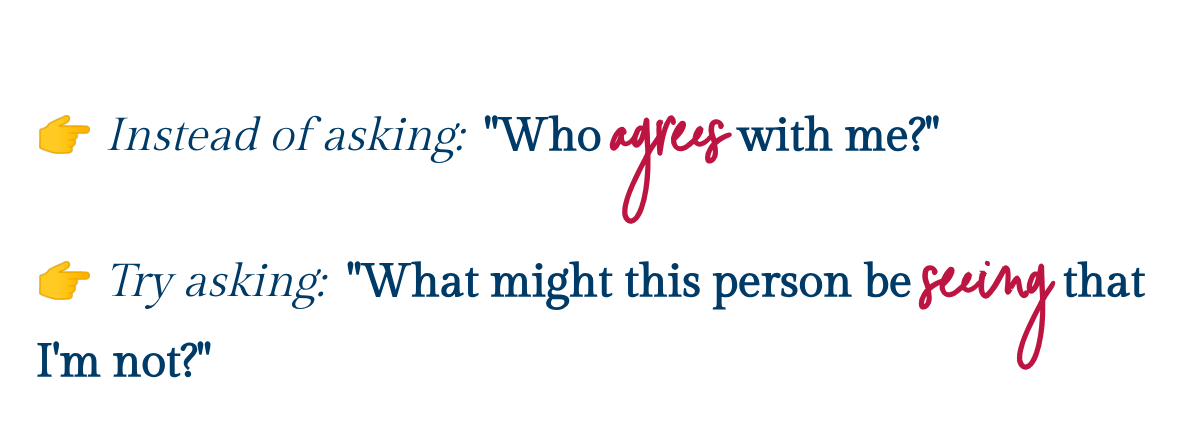
When feedback feels uncomfortable this week, resist the urge to poll the room. Go back to the original source and ask one clarifying question.
Not to defend. Not to explain. Just to understand.
Dealing with feedback now is far easier than dealing with it again later, when more is at stake.
