How You Respond to Feedback Can Determine Your Future

Last week, we talked about how to receive feedback without getting defensive and how to ask a simple but powerful question: Is it true?
That question matters. But it’s only the beginning.
Because once feedback is on the table, something else is happening whether you realize it or not.

When feedback is involved, others become careful observers.
They notice whether you get curious or defensive.
Whether you shut down or lean in.
Whether you make excuses or make adjustments.
Over time, those moments add up.
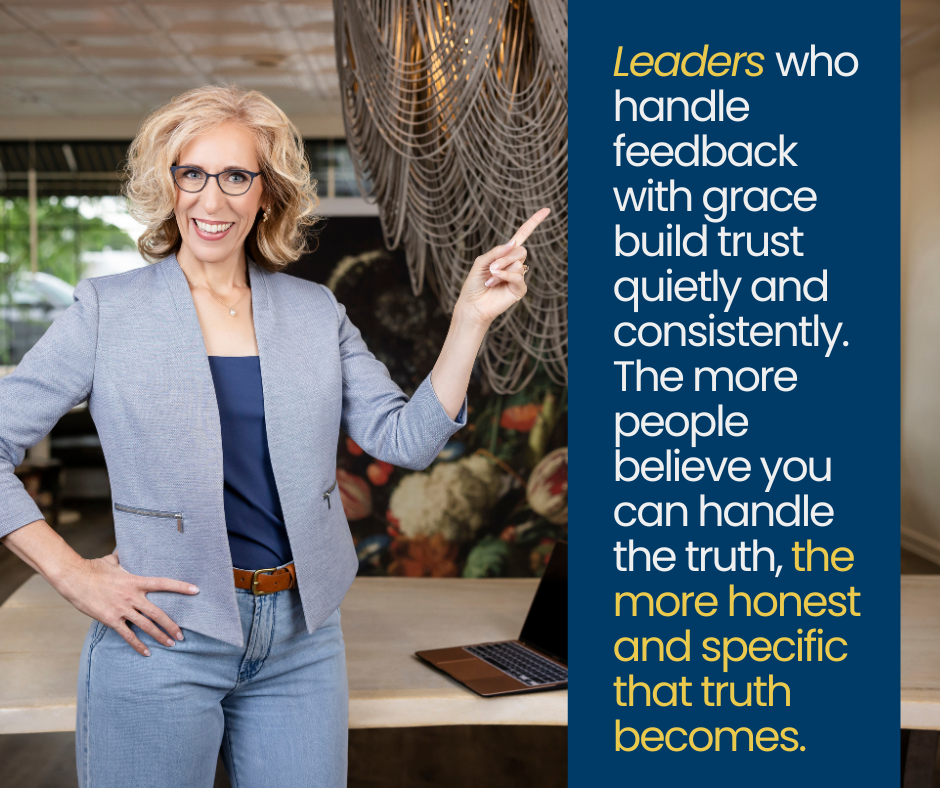
The opposite is also true.
When someone reacts poorly to feedback, the feedback doesn’t stop because the issues go away. It stops because it no longer feels safe to share it.
That’s a problem.

Here’s the reality. You have no control over who gave you feedback, how they delivered it, or whether it felt fair in the moment. What you do control is your response.
That’s why I still use a second filter alongside “Is it true?”
What does my response say about my character?
When you focus on character instead of temporary hurt feelings, something important happens. You start building a reputation as someone who is easy to coach.
And that reputation matters.
Sponsors do not just look for talent. They look for people who can receive input, adjust course, and grow visibly. A calm, thoughtful response to hard-to-hear feedback builds professional credibility faster than anything else you say or do in that moment.

🤏TINY TWEEK Challenge
Go back to the feedback you identified last week. How would you rate your response when you first received it? What might you do differently? What would you do again? Lock that in so you are ready the next time you get feedback, whether you asked for it or not.